Let me begin with a caveat: I do not feel disadvantaged as a woman in academia. I am acutely aware of my privilege, and my academic career has been shaped, sometimes gently, other times firmly, by the circumstances of my life. To me, being an academic has never been simply a job. It is a profession, a vocation, even an identity. Yet, despite this profound sense of belonging, there are narratives around “successful” female academic careers that I believe are worth unpacking.
Getting Unstuck
During the academic year 2022–2023, I was fortunate to be selected for a fully funded Advance HE AURORA Leadership Programme through Ulster University, my academic home. Aurora is Advance HE’s leadership development initiative for women, bringing together leadership specialists, higher education institutions, and research bodies in a strategic effort to address the underrepresentation of women in senior roles. I applied for Aurora not because I felt held back as a woman, but because I felt stuck. The academic merry‑go‑round of teaching, marking, and preparing for the next semester had become a cycle without pause. Summer offered only a momentary reprieve before research tasks, untouched during the teaching term, came knocking again. After eight years in academia, I craved fresh air and something to propel me into a new direction. Aurora became exactly that.
Over eight months, I joined a vibrant cohort of women, brimming with energy but perhaps just as stuck as I was. Delivered online, in the lingering shadow of the pandemic, Aurora connected female academics across the island of Ireland to explore and strengthen competencies such as:
- Developing leadership identity, recognising impact, and using one’s voice
- Recognising core and adaptive leadership skills
- Understanding how politics and influence shape our leadership journey
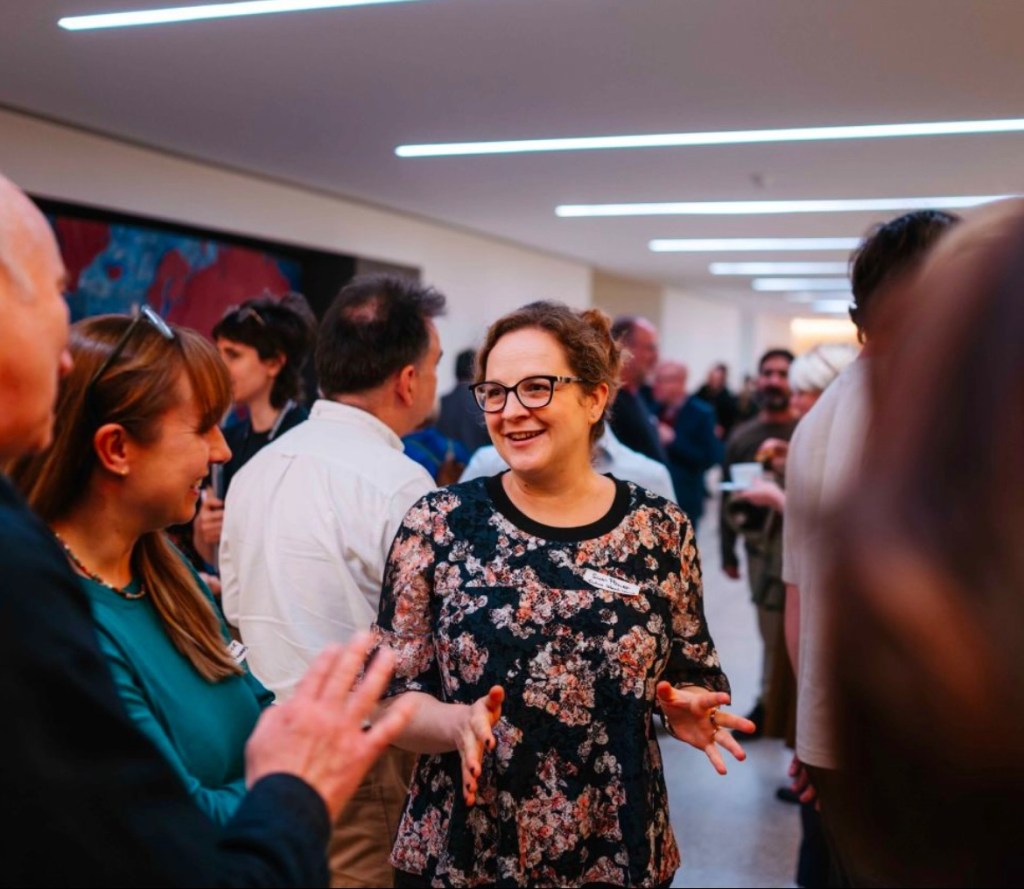
The programme paired us with one‑to‑one mentoring, two Action Learning Sets, and a memorable in‑person finale in Dublin: an uplifting day spent considering our future in higher education. Aurora did more than get me unstuck. It gave me the proverbial kick I needed when routine threatened to dull my professional spark. It offered connection; a magic not to be underestimated. It exposed me to leading women who generously shared their stories, expertise, and time. The learning materials became steady night‑time companions as I diligently worked through them, giving myself permission to grow.
Some standout book recommendations from the programme included:
- Rebel Ideas by Matthew Syed
- Daring Greatly by Brené Brown
- Drive by Daniel Pink
- Gravitas by Caroline Goyder
- Invisible Women by Caroline Criado Perez
- Lean In by Sheryl Sandberg
- The Gendered Brain by Gina Rippon
- Growth Mindset by Carol Dweck
My leadership library has expanded significantly since then, but that’s a topic for a future blog.
Resilience: The False Friend
There is, however, one recurring strand in the female leadership narrative that I wish to challenge: resilience.
The American Psychological Association defines resilience as “the process and outcome of successfully adapting to difficult or challenging life experiences, especially through mental, emotional, and behavioural flexibility and adjustment to external and internal demands.”
In the workplace, this means adapting swiftly to demanding or emotionally taxing situations and returning to a pre‑crisis state. The responsibility, in this framing, lies with the individual: you have to cope, to withstand, to manage.
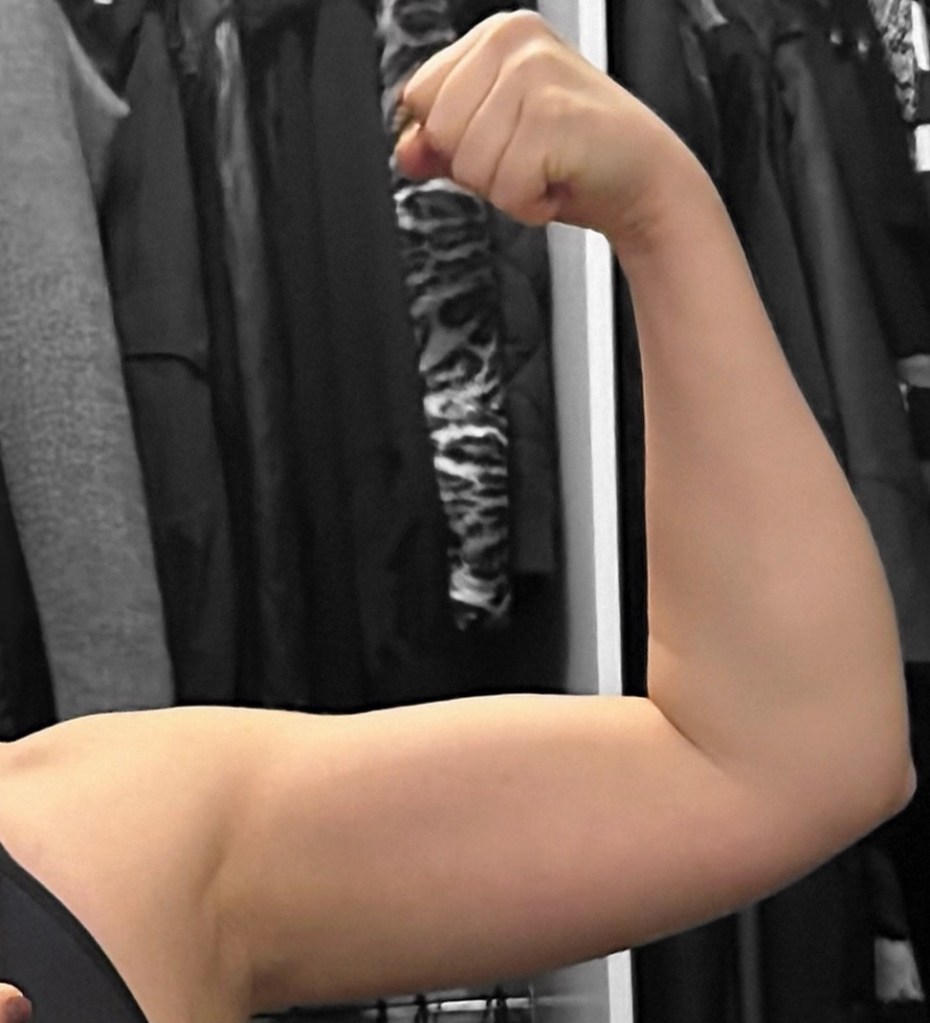
Resilience is widely celebrated as a key leadership quality. Resilient people are praised and almost mythologised as superhuman. The strong‑woman narrative remains stubbornly intact. I’ve often been told I am strong. My honest response?
I didn’t have a choice.
Resilience is not inherently desirable. Often, it is a survival mechanism born from necessity. So the real question becomes:
Why do we need to be resilient in the first place?
My argument is this: the responsibility should not sit primarily with the individual but with the workplace. Systemic and structural barriers within academia create conditions where resilience becomes a requirement rather than an asset. Yet instead of addressing those conditions, we celebrate the individuals who endure them. The narrative is upside down. As long as resilience overshadows women’s leadership programmes like Aurora included, we risk reinforcing our own constraints. Women remain praised for enduring adversity instead of empowered to dismantle it.
What Truly Makes a Woman in Academia
To me, true leadership in academia is not about thick skins or the ability to bounce back from adversity again and again. It is shaped by:
- Integrity
- Authenticity
- Curiosity
- Creativity
- Excellence
- Togetherness
These are values that propel women forward, not resilience in its traditional, burdensome form, but a collective commitment to shaping a more equitable academic landscape. Getting unstuck begins with rejecting narratives that keep us tethered. It begins with imagining and demanding a system where women don’t need to be resilient just to survive, but are supported, recognised, and empowered to thrive.
 Susann Power
You must be logged in to post a comment.