After taking a step back from academia during August to focus on family, friends, and time away from work, I returned to the new academic year reflecting on the importance of connections. Time away often provides space for perspective, and one thought that has accompanied my return is the significance of the relationships that shape academic life. This blog explores the concept of social capital in academia and reflects on the role that academic networks and Special Interest Groups (SIGs) have played in my own professional development.
Academic success is frequently framed as the result of individual talent, expertise, and scholarly achievement. Implicit within this narrative is the image of the independent academic: the researcher working alone, generating knowledge through individual effort. While collaboration is increasingly encouraged and often essential, academia can still be characterised by a culture of lone working. This is particularly evident among doctoral researchers and early career academics who may have had limited opportunities to engage with wider scholarly communities or professional networks. As a result, academia can often feel isolating.
However, a growing body of research suggests that academic success is not solely determined by individual capabilities. Rather, it is also shaped by social capital: the resources, opportunities, and influence that individuals gain through professional relationships and networks. Within higher education, social capital can be understood as the value derived from connections with mentors, peers, collaborators, and institutional communities (Baker et al., 2026). These relationships provide access to knowledge, support, opportunities, and recognition that contribute significantly to academic careers.
My reflections focus particularly on the role of academic networks and Special Interest Groups. It is only relatively recently, as a mid-career academic, that I have fully immersed myself in these communities with confidence. Finding the right academic “home” takes time. The abundance of professional associations, scholarly networks, and SIGs can be overwhelming, making it difficult to identify those that most closely align with one’s research interests and professional identity. For me, this process was further shaped by major life transitions, including relocating countries and navigating significant personal and professional changes. Today, three networks form the core of my academic identity: ACCESS, ISBE, and THRIC. Together, they reflect the interdisciplinary nature of my work, spanning environmental social science, entrepreneurship research, and tourism and hospitality studies. Geographically, they also connect scholars across the United Kingdom and Ireland, reflecting the primary context within which I work. Participation in these communities has demonstrated how social capital can foster knowledge exchange, research collaboration, professional visibility, and a deeper sense of belonging within academia.
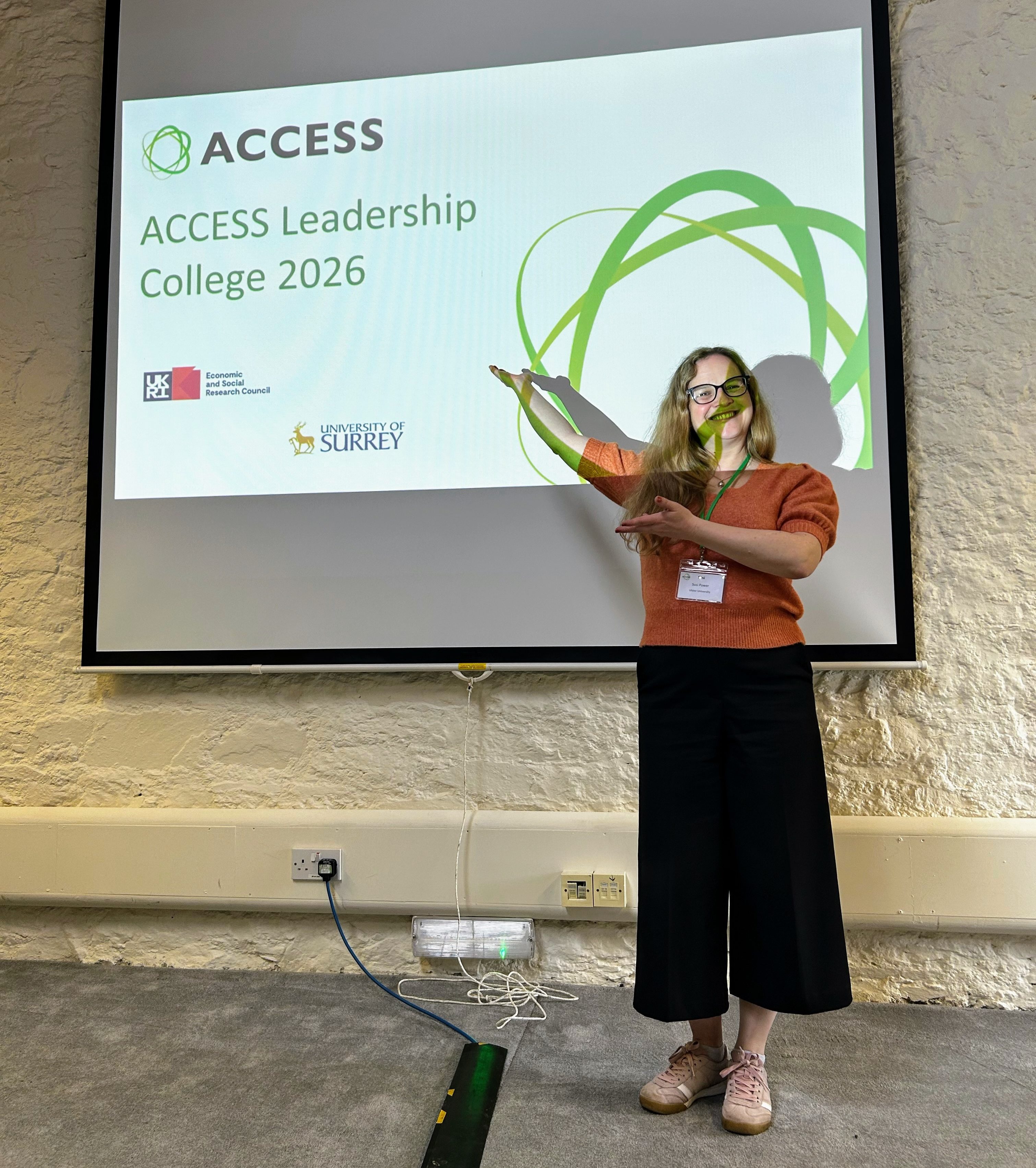
Creating Connections: The Structural Dimension of Social Capital
The structural dimension of social capital refers to the configuration of relationships within professional networks. In academia, these relationships are established through collaborative research projects, co-authorship, professional associations, mentoring arrangements, and leadership roles. Research suggests that scholars who occupy more central positions within academic networks often benefit from enhanced access to information, resources, and opportunities that support both research productivity and career progression (Baker et al., 2026; Ndlovu & Kraemer-Mbula, 2023).
My involvement with THRIC and ISBE illustrates the importance of this dimension. Serving as Chair of THRIC has provided valuable insight into the breadth and diversity of tourism and hospitality research across Ireland. Similarly, my role as Co-Chair of the ISBE Social and Sustainable Enterprise Network (SSEN) has strengthened connections within entrepreneurship research while enabling me to reconnect with colleagues and collaborators whom I had not engaged with for some time. These leadership positions have not only expanded my professional network but have also enhanced my understanding of developments across related disciplinary communities.
Building Trust and Reciprocity: The Relational Dimension
While academia often emphasises individual achievement, successful academic careers depend fundamentally upon relationships characterised by trust, reciprocity, and mutual support. The relational dimension of social capital concerns the quality of these relationships and the extent to which they facilitate cooperation and knowledge exchange.
My experience within ACCESS has highlighted the value of supportive academic communities in shaping both scholarly identity and confidence. Networks grounded in trust create spaces where ideas can be tested, interdisciplinary collaboration encouraged, and expertise shared openly. Such environments reduce barriers to cooperation and enable collective forms of knowledge production (Baker et al., 2026; Ndlovu & Kraemer-Mbula, 2023).
Similarly, participation in the ISBE SSEN writing group has demonstrated the importance of relational social capital in practice. The group has provided an environment characterised by encouragement, accountability, and shared learning. In a profession where writing can often be a solitary endeavour, these forms of support can have a profound impact on productivity and wellbeing.
Developing Shared Understanding: The Cognitive Dimension
The cognitive dimension of social capital refers to shared values, norms, understandings, and collective ways of making sense of the world. Within academic communities, shared intellectual interests and common goals create the foundations for meaningful collaboration and knowledge exchange. ACCESS provides a strong example of this dimension through its guiding principles, which shape both the activities and culture of the network. Likewise, participation in THRIC’s entrepreneurship and innovation reading circle has fostered opportunities for scholarly discussion, debate, and critical reflection. Through these interactions, members collectively generate what might be described as intellectual or knowledge capital. The cognitive dimension also extends to scholarly reputation and disciplinary standing. Professional networks often amplify the visibility and impact of academic expertise, enabling scholars to transform connections into leadership opportunities, collaborative outputs, and wider research influence (Baker et al., 2026; Ndlovu & Kraemer-Mbula, 2023).
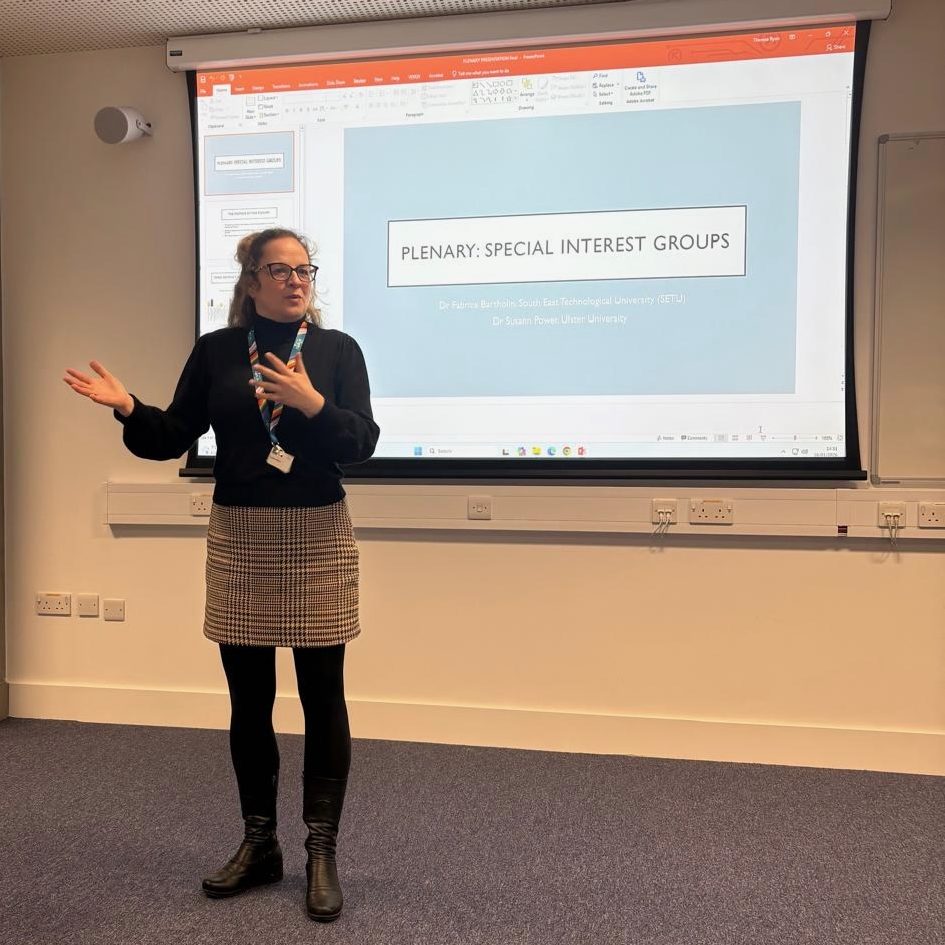
Why Academic Social Capital Matters
Access to Resources and Opportunities: One of the most valuable benefits of social capital is access to opportunities that may not be evident through formal channels. Academic networks often facilitate research collaborations, funding opportunities, conference participation, and the exchange of expertise. In many cases, professional relationships act as pathways through which opportunities become visible and accessible (Baker et al., 2026). My experience with the ACCESS Leadership College demonstrates this clearly. Membership of this network provided opportunities to participate in annual research retreats and access small-scale project funding, both of which have supported my research development.
Enhancing Research Productivity: Social capital also contributes significantly to research productivity. Strong professional networks create opportunities for co-authorship, interdisciplinary collaboration, and exposure to diverse perspectives. These interactions can stimulate innovation, broaden intellectual horizons, and increase research outputs (Baker et al., 2026). The interdisciplinary nature of ACCESS has enabled me to engage with scholars from a wide range of disciplinary backgrounds and has encouraged me to expand my research activities beyond traditional boundaries. This has enriched both the scope and impact of my work within environmental social science.
Supporting Career Development: Professional relationships frequently play an important role in academic career progression. Mentors, senior colleagues, and network leaders often act as gateways to opportunities such as grant funding, conference invitations, leadership positions, promotion, and professional recognition (Baker et al., 2026). I have experienced this both as a participant and as a leader within academic communities. ACCESS has been instrumental in showcasing members’ work and facilitating valuable connections, while leadership roles within THRIC and ISBE SSEN have contributed to my own professional development and visibility. The career benefits associated with such engagement should not be underestimated.
Providing Emotional and Social Support: Academia can be intellectually rewarding but also emotionally demanding. Uncertainty, performance pressures, competition, and workload challenges are familiar experiences for many academics. In this context, strong professional networks can provide a sense of community, belonging, and resilience. Research highlights the important role that social capital plays in supporting wellbeing and academic persistence (Zhang et al., 2025). My own experiences strongly reflect these findings. The ISBE SSEN writing group has offered both practical support and accountability, while the ACCESS Leadership College has provided valuable emotional grounding during particularly challenging periods. Such support can make a significant difference to how academics navigate professional and personal difficulties.
Conclusion
Social capital is a fundamental, yet often underappreciated, aspect of academic life. Through collaborative networks, trusted relationships, mentorship, and shared intellectual communities, academics gain access to resources and opportunities that influence research productivity, career advancement, and personal wellbeing. Understanding the structural, relational, and cognitive dimensions of social capital provides important insight into how academic success is cultivated and how more inclusive and supportive scholarly communities can be developed. Reflecting on my own journey, I spent almost a decade on the margins of academic networks before fully engaging with them. Looking back, I wish I had done so sooner. My advice to doctoral researchers, early career academics, and even established scholars who remain hesitant is simple: find your tribe. Join a Special Interest Group. Participate actively. Build relationships. Academic careers may be rooted in individual expertise, but they flourish through connection.
References
Baker, H. K., Kumar, S., Lim, W. M., & Sureka, R. (2026). Gender inequality and social capital in academic finance networks. Journal of Business Ethics. https://link.springer.com/article/10.1007/s10551-026-06422-5
Ndlovu, T., & Kraemer-Mbula, E. (2023). The role of social capital in academic research collaboration and knowledge exchange. Innovation and Development. https://link.springer.com/article/10.1007/s10775-023-09580-4
Zhang, X., et al. (2025). Social capital, academic adaptation and student development in higher education. Frontiers in Psychology. https://www.frontiersin.org/journals/psychology/articles/10.3389/fpsyg.2025.1670147/full


You must be logged in to post a comment.