One of the things I enjoy most about academia is that, every so often, something unexpected lands in your inbox.
Most academic careers revolve around the familiar triad of teaching, research and service. It’s a rewarding mix, but also one that can sometimes feel like a steadily turning merry-go-round. Then, every now and again, an opportunity comes along from beyond the walls of the academy. These projects tend to be practical, industry-focused, and often carry a special significance. In short, they’re the enjoyable side gigs that remind us why we became academics in the first place.
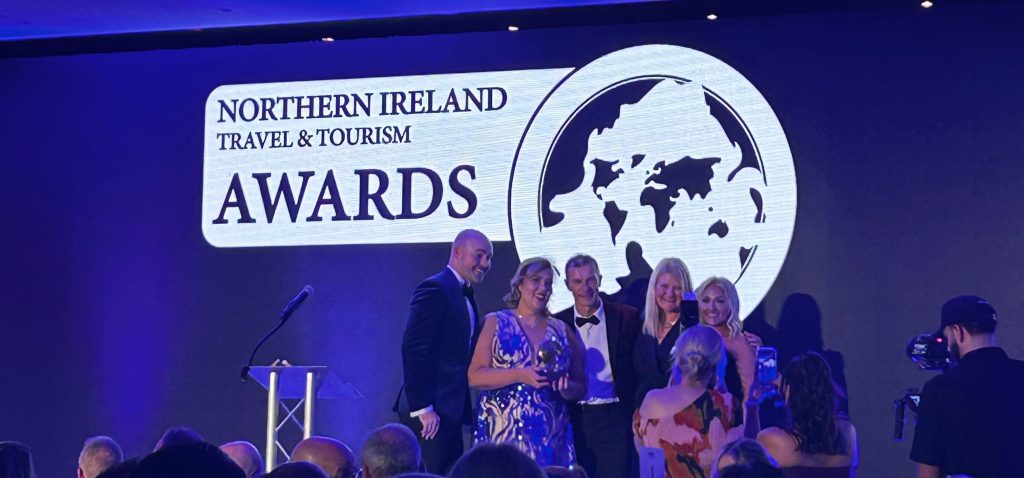
I recently had the opportunity to take on one such project when I was approached by NI Travel News, the Northern Ireland-based travel trade publication that hosts the annual NI Travel Awards. Now in its 34th year, the awards are a flagship celebration of the travel and tourism industry, attracting participation from both local and international businesses. The request was an interesting one: redesign the Best in Sustainable Tourism category.
The Challenge of Judging Sustainability
The category had only recently been introduced, but organisers quickly discovered a common challenge in the sustainability space: sustainability is incredibly broad. How do you fairly compare businesses working on carbon reduction with those focused on biodiversity, social inclusion, community development, responsible sourcing, or circular economy initiatives? Sustainability encompasses all of these areas and more. Judging entries against such an expansive concept proved difficult. As a Senior Lecturer in Sustainable Tourism and Hospitality, and someone who has spent many years researching and teaching sustainability, I put my thinking cap on and got to work. The task involved much more than simply renaming the category. It required developing a clearer framework, establishing robust judging criteria, creating guidance for applicants, and designing a transparent scoring mechanism that would allow judges to make meaningful comparisons between very different sustainability initiatives.
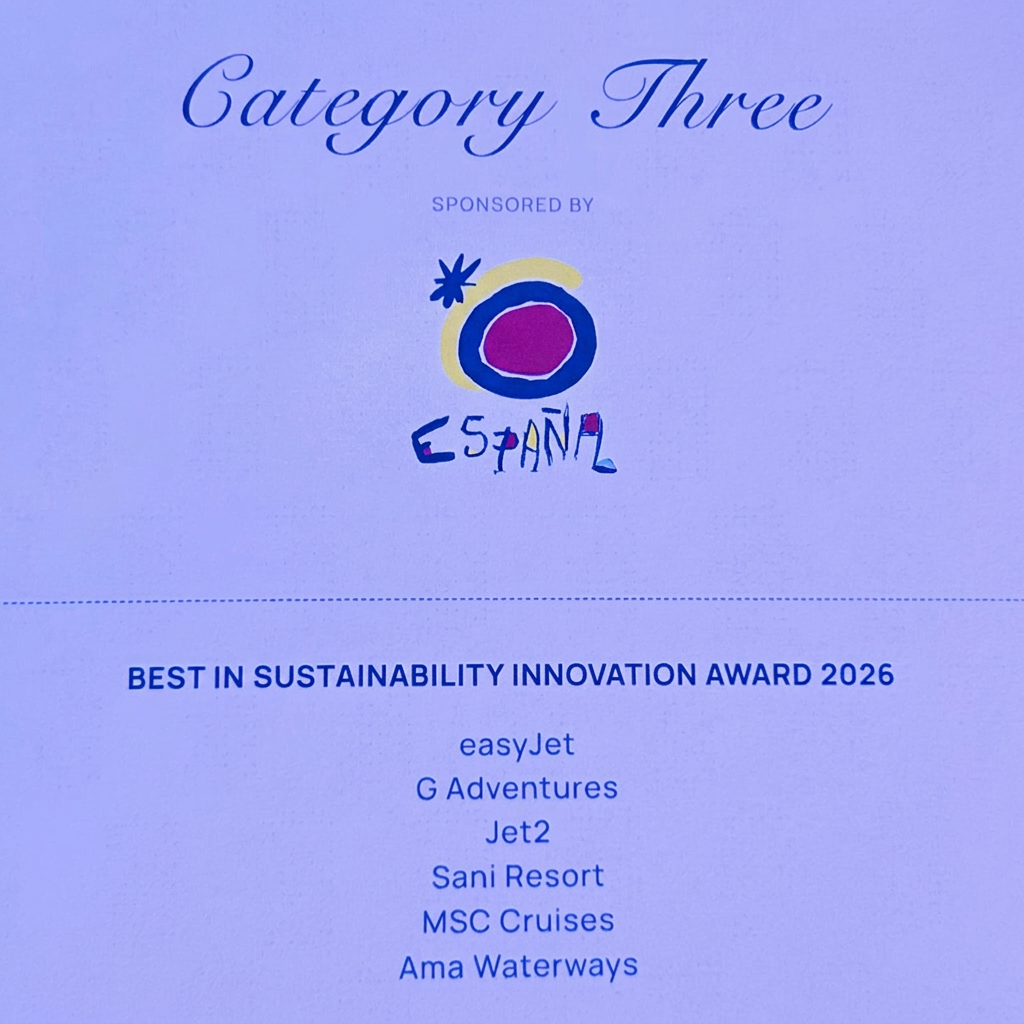
One thing became immediately clear: sustainability itself is no longer new in tourism and hospitality. What is increasingly important is innovation. The industry’s most exciting sustainability stories are no longer about whether organisations are engaging with sustainability, but how creatively and effectively they are doing so. With that in mind, the category was reimagined and relaunched as the:
Best in Sustainability Innovation Award
The revised award celebrates travel and tourism businesses that demonstrate innovative sustainability practices capable of delivering measurable environmental and social benefits. The emphasis is on innovation that improves resource efficiency, supports healthy ecosystems, advances societal wellbeing, contributes to a fair and inclusive visitor economy, and helps tackle climate change. The category was opened to businesses of all sizes across the visitor economy, including tourism, transport, hospitality, attractions, events, leisure and catering.
To provide clarity and consistency, entries were assessed against five equally weighted criteria:
- A clearly embedded sustainability ethos across the organisation and its wider partnerships.
- Innovative sustainability practices that are pioneering and offer potential for wider industry adoption.
- Meaningful contribution to the UN Sustainable Development Goals, with evidence of strategic alignment.
- Robust monitoring and reporting mechanisms that demonstrate impact, accountability and transparency.
- Stakeholder engagement that supports and strengthens sustainability innovation.
Applicants were invited to submit detailed evidence demonstrating how their initiatives delivered measurable change and why they deserved recognition as industry leaders in sustainability innovation.
Judging the Finalists
When judging day arrived, the quality of entries demonstrated just how far sustainability innovation has progressed within the tourism sector. From a strong field of submissions, six finalists were shortlisted (Ama Waterways, EasyJet, G Adventures, Jet2 Holidays, MSC Cruises and Sani Resorts. Working alongside two fellow judges, I had the opportunity to assess some genuinely impressive sustainability initiatives. The process involved applying the judging rubric, reviewing supporting evidence, and engaging in rigorous discussion and debate before reaching a final decision. Ultimately, MSC Cruises secured the top spot thanks to its impressive environmental fleet programme and commitment to sustainability innovation. What struck me most was the diversity of approaches represented across the finalists. Sustainability innovation is not a one-size-fits-all concept. Different organisations are tackling different challenges, yet all are contributing to a more responsible and resilient visitor economy.
Celebrating an Industry at Its Best
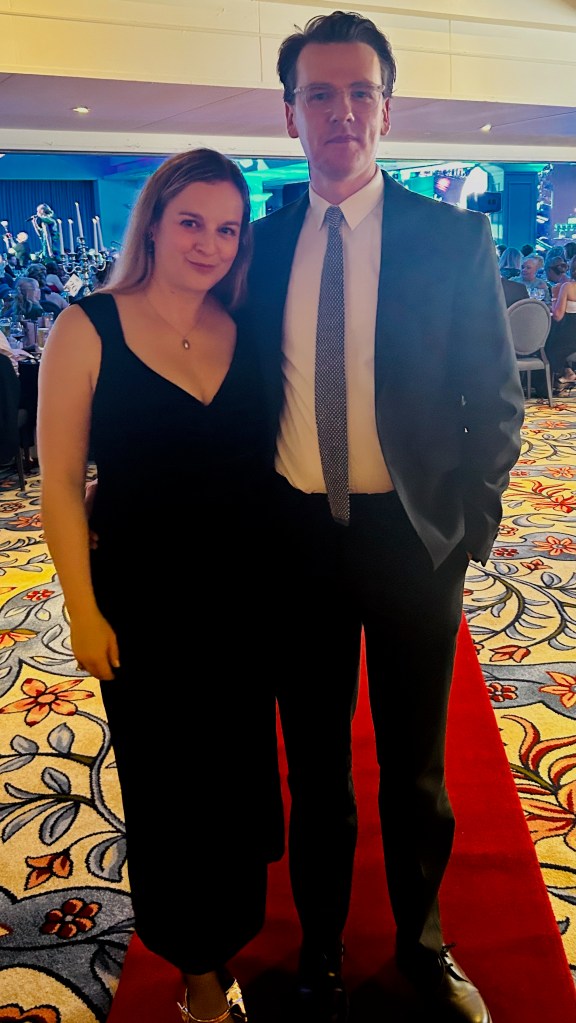
The awards evening itself captured everything I love about tourism and hospitality. Held in the magnificent five-star Slieve Donard Hotel in Newcastle, County Down, the event was as glamorous and celebratory as one would expect from an industry gathering of this scale. Yet beyond the awards, the evening was really about people. Tourism, at its heart, is a feel-good industry. It brings people together, creates memories, supports communities and delivers experiences that matter. The awards showcased not only business excellence but also the passion and commitment of the individuals who make the industry such a special place to work. As someone who operates in a slightly tangential capacity as an academic, I felt genuinely proud to play a small role in celebrating those achievements.
Of course, academics rarely leave good material unused. One of the unexpected benefits of this experience is that many of the award submissions will now find a second life in the classroom. As a sustainability advocate, and someone with a particular interest in circular thinking, I am already repurposing elements of the entries into teaching case studies and learning materials. For students, there is tremendous value in engaging with real-world examples of sustainability innovation. For industry partners, it provides another avenue for sharing good practice and inspiring future professionals.
That feels like a win-win.
A Full-Circle Moment
What made this experience especially meaningful was the sense of coming full circle. Many years ago, I managed the now long-retired World Travel & Tourism Council’s Tourism for Tomorrow Awards. Celebrating best practice in sustainable tourism was one of the experiences that first sparked my academic interest in the field. Researching innovative sustainability initiatives is, essentially, what led me into academia. So, after all these years, it was unexpectedly rewarding to find myself back in the awards game. There is something deeply satisfying about recognising organisations that are pushing boundaries and helping shape a more sustainable future for tourism. It’s a reminder that research, teaching and industry practice are at their best when they connect with one another. And sometimes, those unexpected invitations that arrive from beyond the ivory tower turn out to be the most enjoyable projects of all. Here’s to sustainability, innovation, and the unmistakable sound of a champagne cork marking a genuine full-circle moment. 🍾


You must be logged in to post a comment.